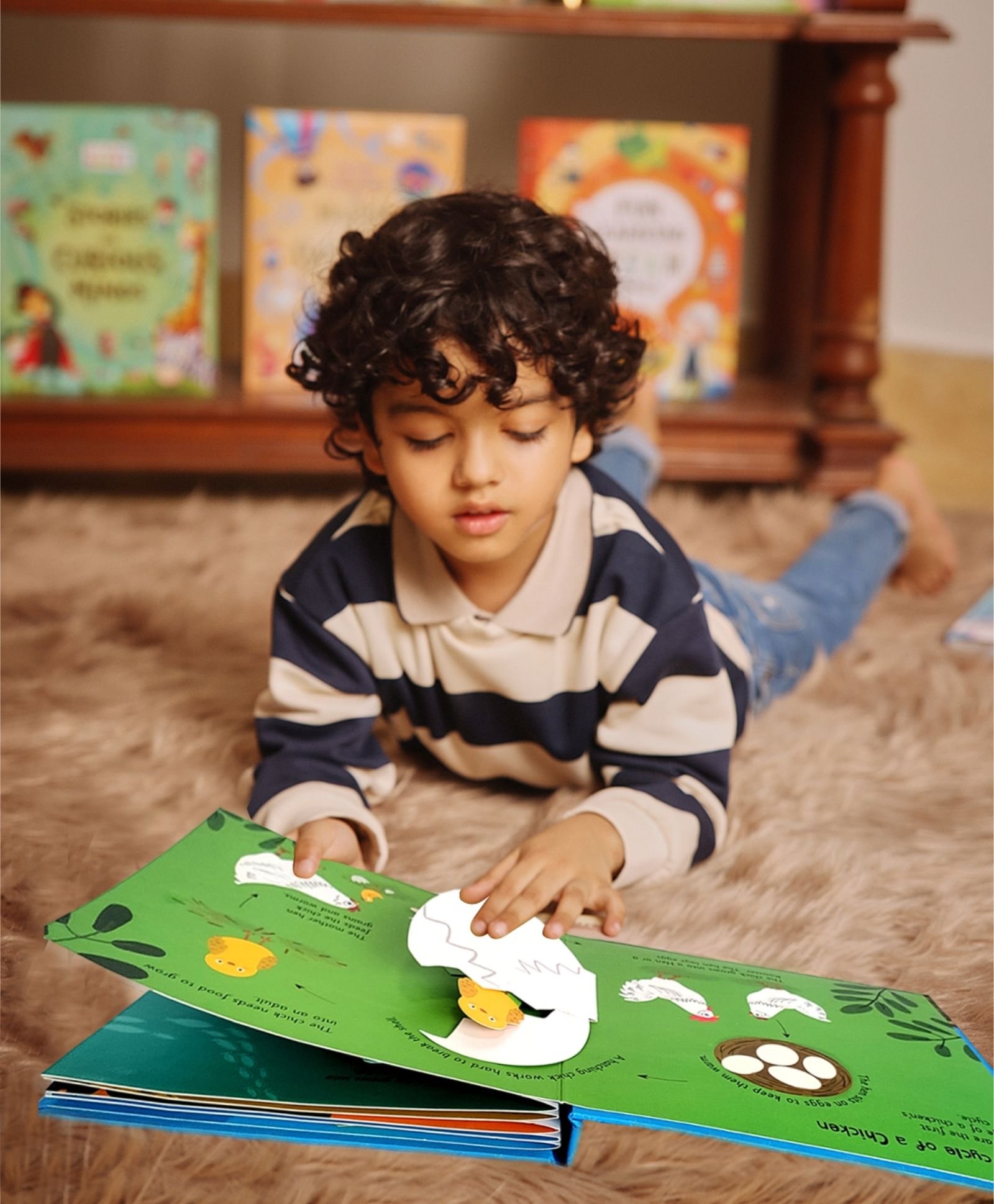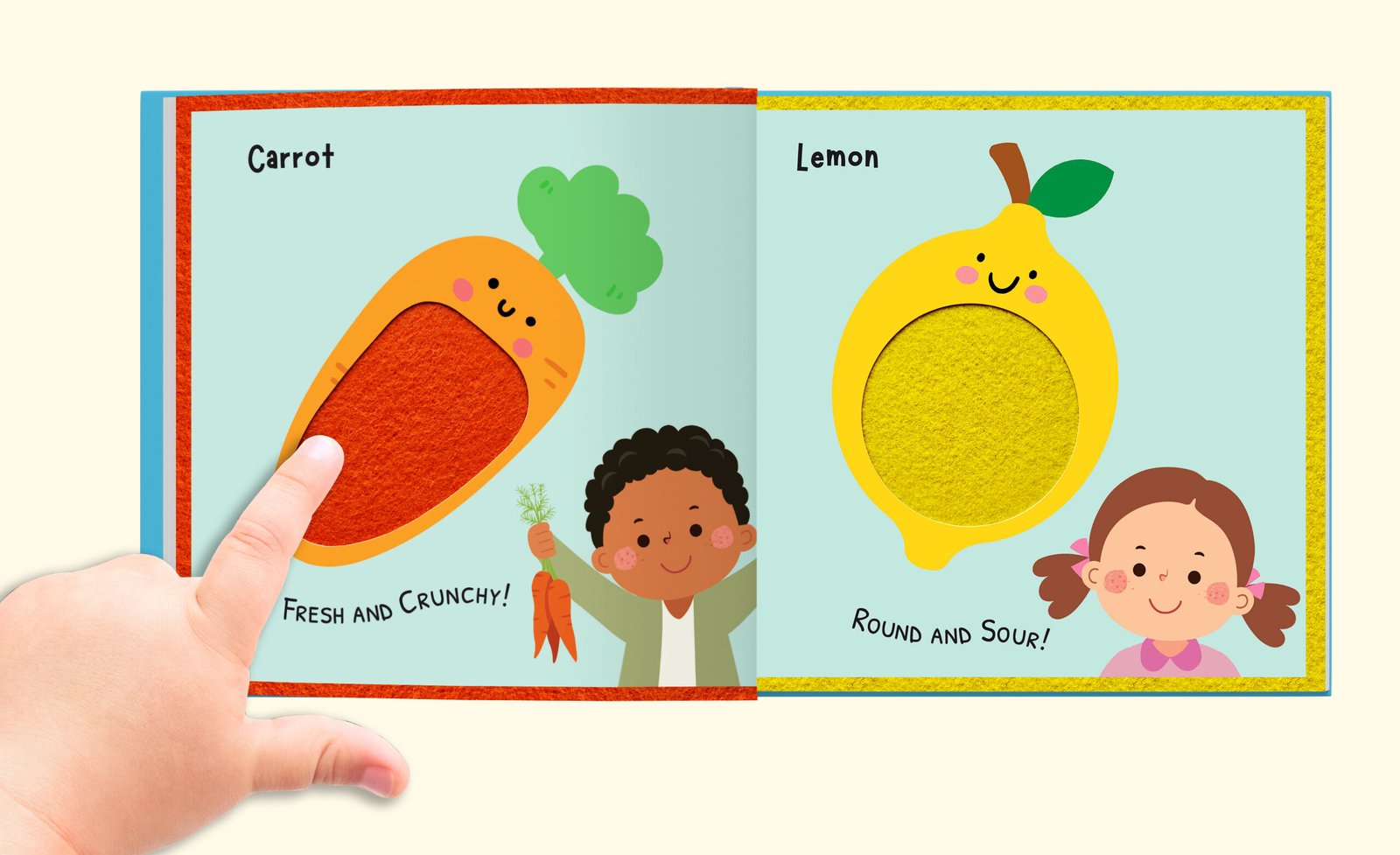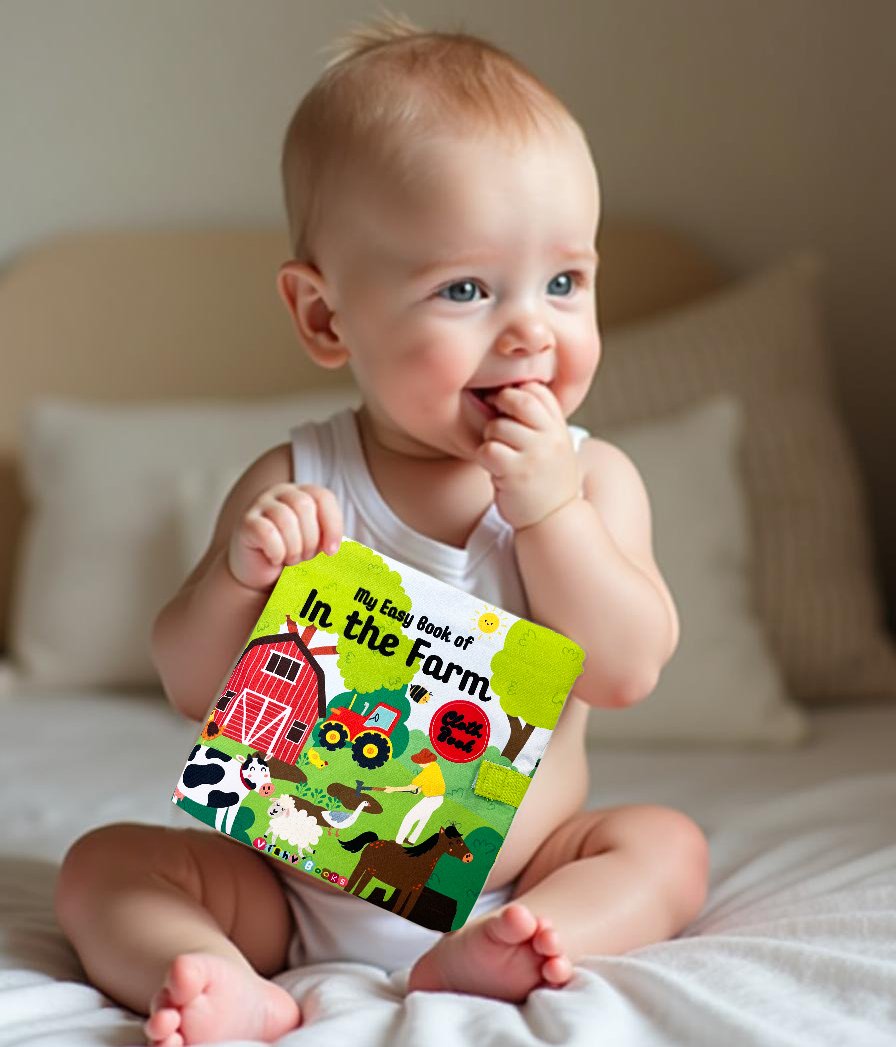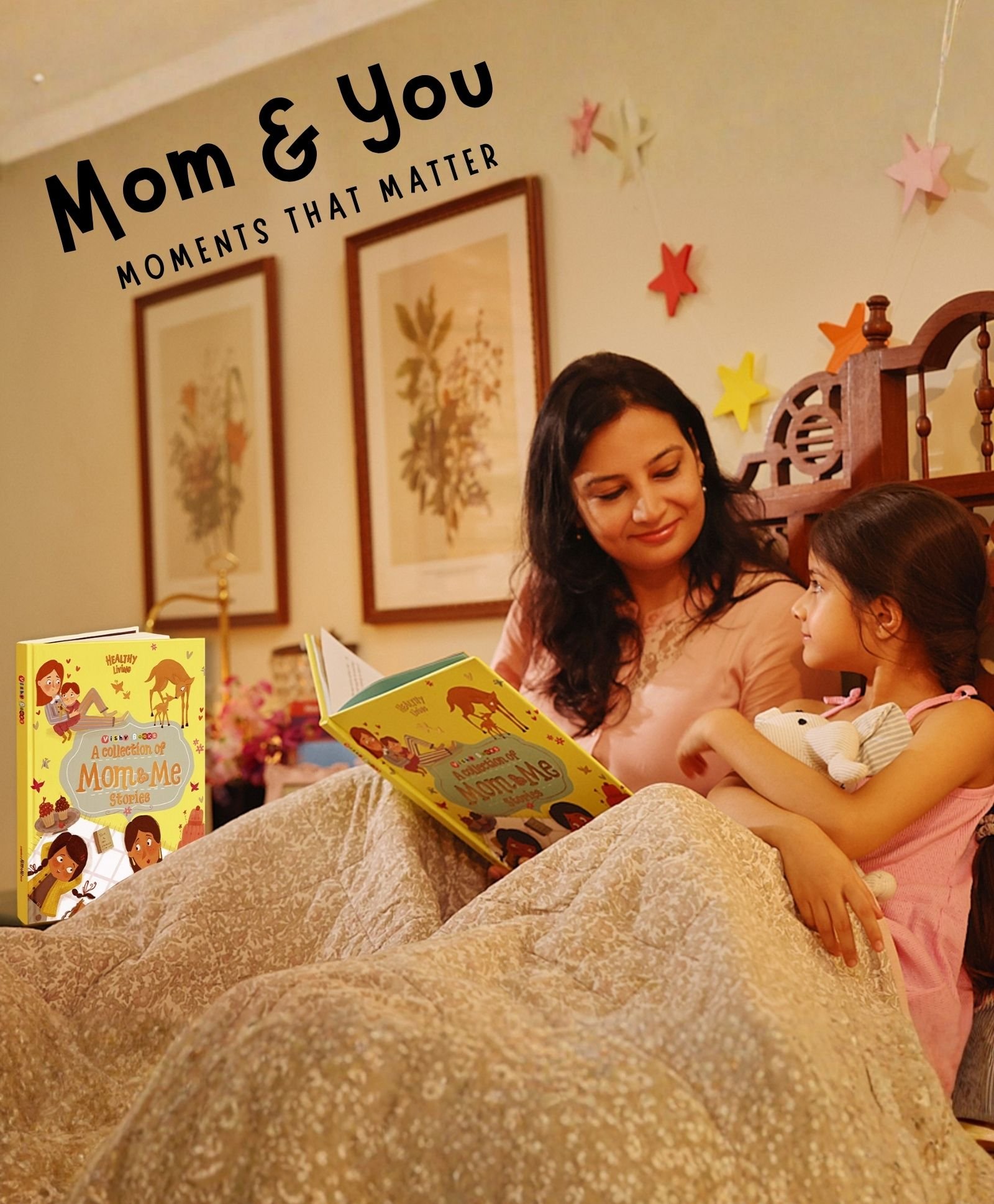





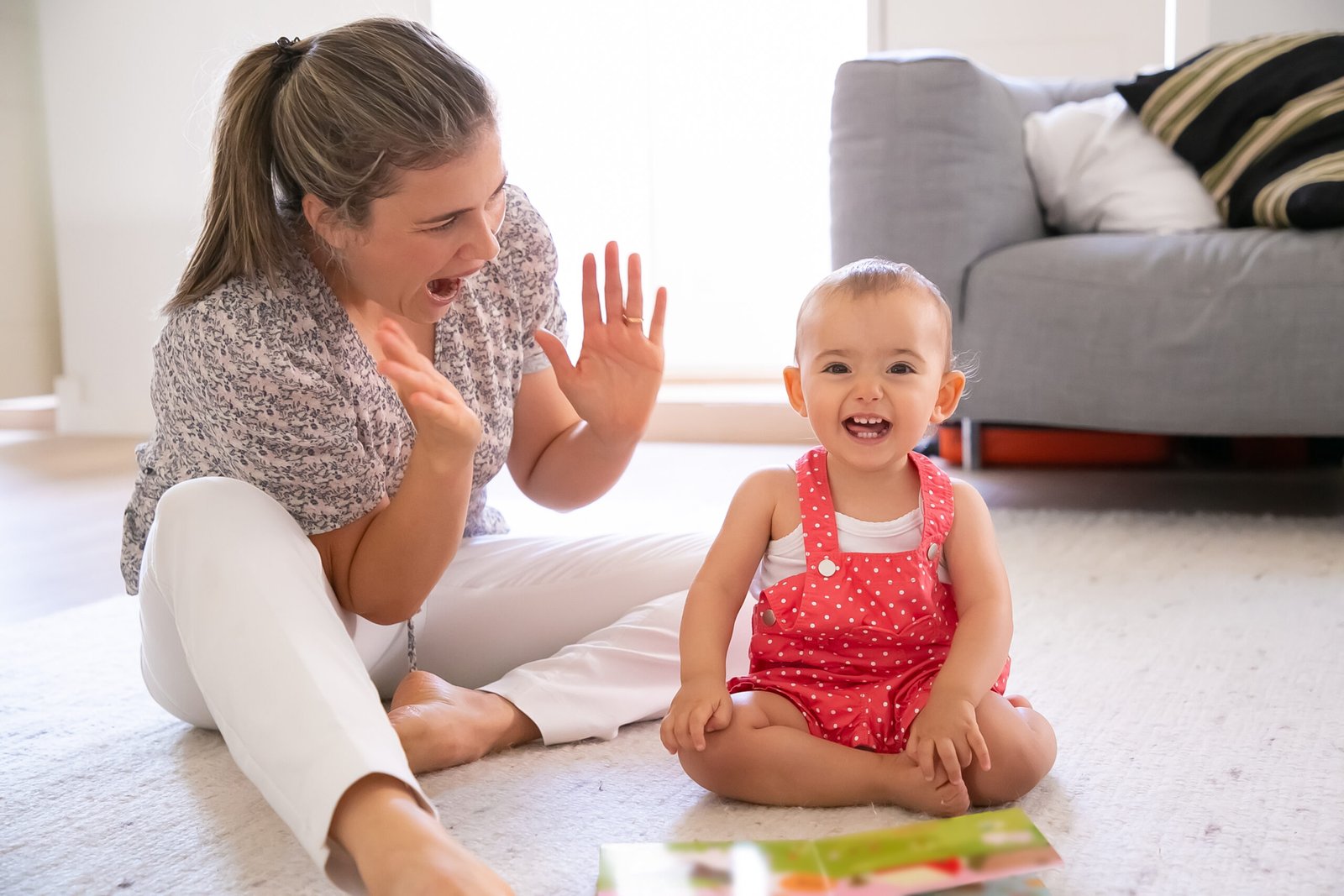
Even before children begin reading words, they learn by observing pictures, touching objects, listening, and exploring everything around them with curiosity. This is why board books make such a wonderful first introduction to learning for toddlers.
These are a few simple ways parents can make the most of books during the early years.
Quick Tips for Parents
Start early so that babies and toddlers enjoy exploring picture books.
Name pictures aloud so children connect words with objects.
Choose sturdy books that children can safely handle on their own.
Keep books within easy reach so children pick them up independently.
Use books as a screen-free activity during quiet playtime.
Encourage repeated use to help vocabulary and picture recognition grow faster.
Pick interactive books that combine learning with hands-on play.
Unlike regular books, board books are specially designed for tiny hands. Their thick, sturdy pages allow toddlers to flip pages independently without parents worrying about pages tearing. Since children at this age love grabbing, dropping, and carrying objects everywhere, good quality board books can easily handle repeated everyday use.
But board books offer much more than durability. Picture-based books help children recognize familiar objects, build vocabulary, and slowly understand the world around them. Every time parents point at a picture and name it, children begin building early language connections.
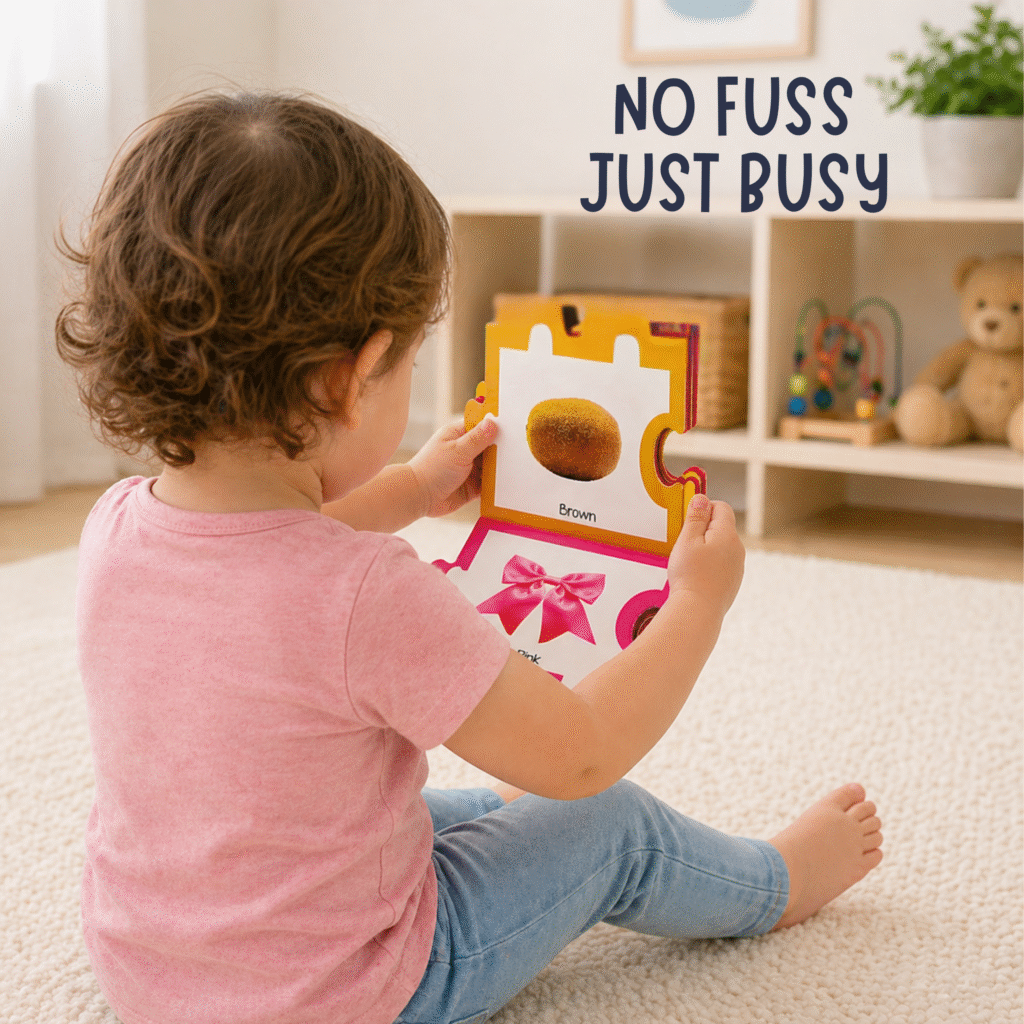
Books that are engaging through creative and interactive designs are best picks. Some books instantly attract attention because they are shaped differently, making children curious enough to explore them on their own.
Take a jigsaw train board book set, for example. Instead of a single book, a set of 6 small books can be joined together to make a train, turning reading into both play and learning.
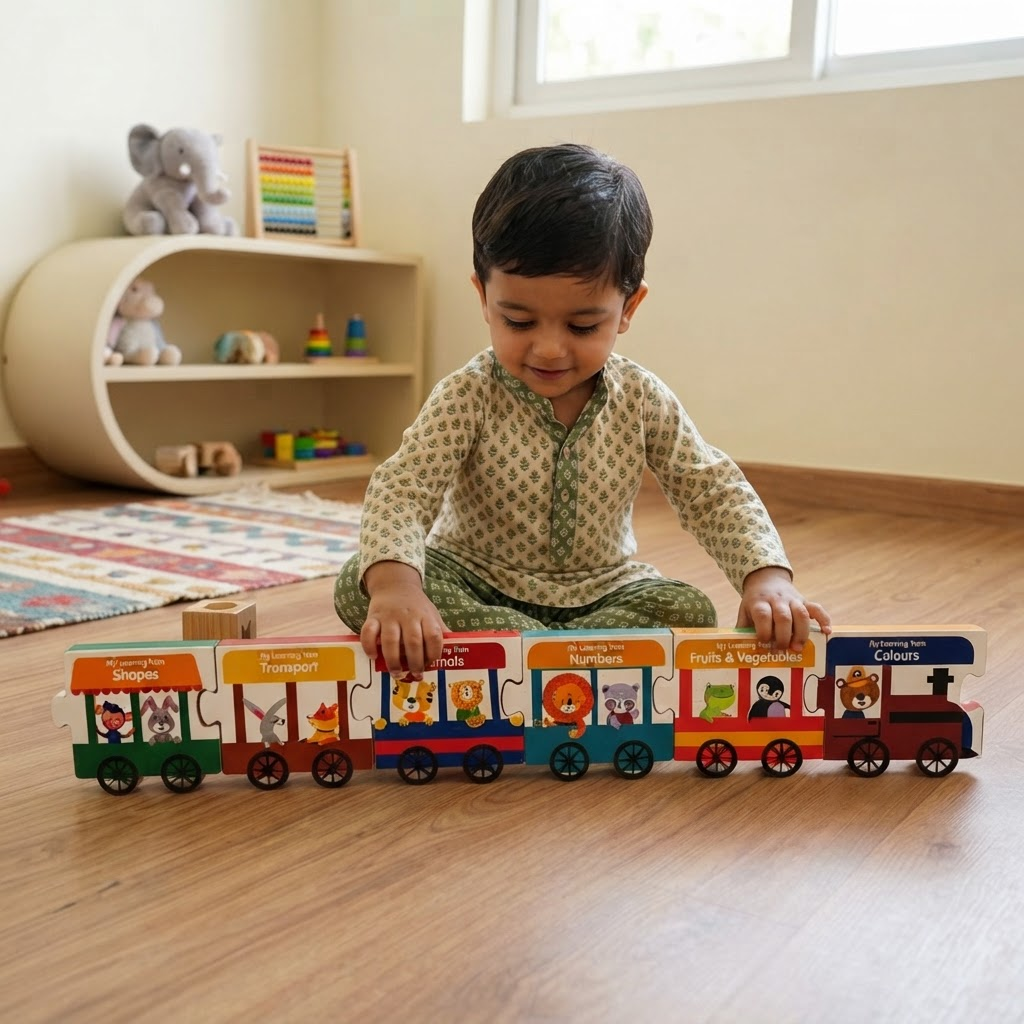
As children pick up the books, connect the pieces, and flip through the pages, they begin learning multiple early skills at the same time — vocabulary building, picture recognition, learning names of common objects, understanding concepts like transport, improving memory, and strengthening fine motor skills.
Because children are naturally curious, books that feel playful often attract them repeatedly. They explore independently, observe details, connect ideas, and slowly build stronger cognitive skills through simple hands-on interaction.
The best early learning does not always begin with lessons. Sometimes it simply begins when a curious child picks up a book, starts exploring, and learns through play.
When books combine pictures, interaction, safe play, and repeated exploration, they become much more than books — they become an important part of a child’s early development journey.