






Signs your child needs more pencil control practice
• Pressing too hard or too lightly on the page
• Lines that wander off track
• Hand tires or gets frustrated after a few strokes
• Avoids drawing or coloring
The skills that actually make a child feel confident in beginning days of school are many, and they take a few weeks of practice to build. If your child is 3 to 4 and heading into preschool or kindergarten, here are few early learning skills that matter most, and how to build them at home.
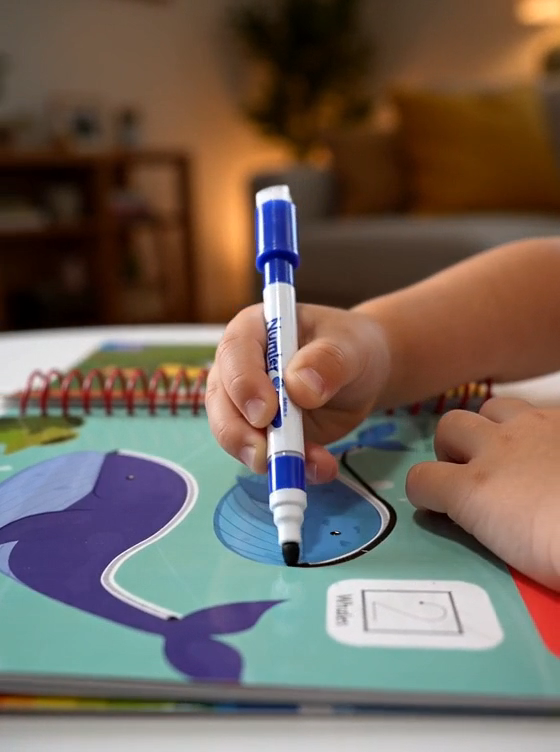
Pencil Control: Foundation for Fine Motor Skills
Pencil control activities teach a child’s hand to move where their eyes are looking — in a controlled, confident way. This comes before letter formation in most early-years programs, because a child who can already draw a steady line, curve, or zigzag has the hand-eye coordination and muscle memory needed for letters later. Skip this step, and a child is trying to learn two things at once: what a letter looks like, and how to control a pencil.
The fix to have better pencil control isn’t more worksheets full of letters — it’s short, repeatable pencil grip and tracing practice: lines, curves, shapes, and simple drawing traces, done often enough that control becomes automatic.
Tracing Numbers: Fine Motor Skills Meet Early Math
Number tracing for kids does double help. It builds number recognition before formal math starts — and numbers share the same strokes (straight lines, curves, closed loops) children will later use to write letters.
Repeated, low-pressure number tracing practice builds:
1. The same fine motor control needed for letters
2. Number recognition and sequencing
3. Confidence — a child who’s traced a number ten times isn’t intimidated when asked to write it for the first time
At this age, repetition beats variety. A child doesn’t need fifty different worksheets — just the same numbers and shapes traced enough times to become second nature.
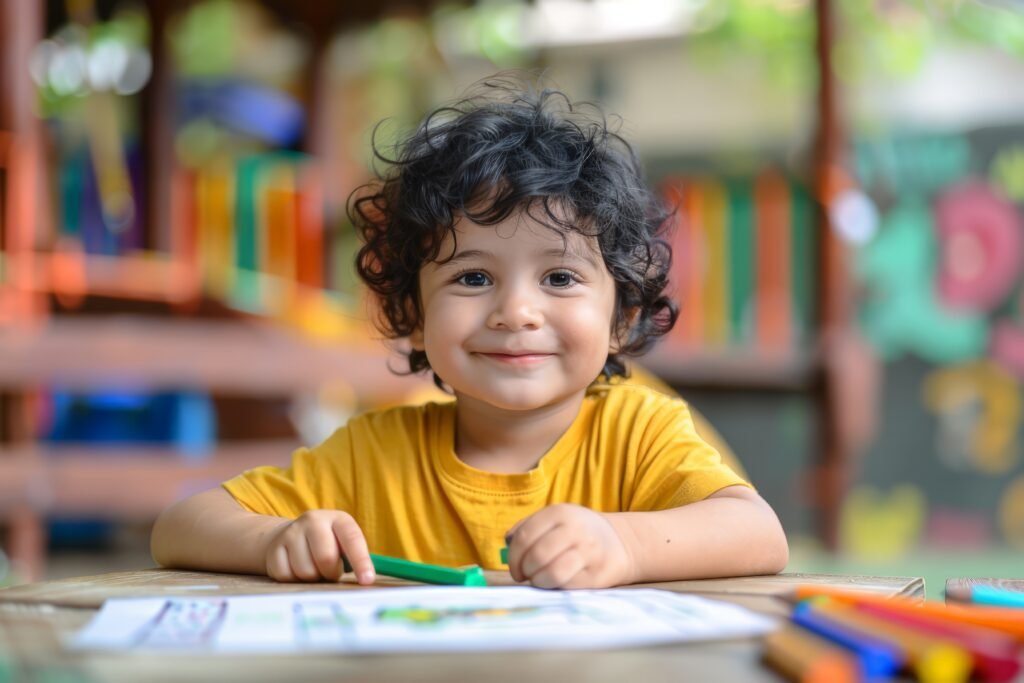
A Simple At-Home School Readiness Routine
Ten minutes, a few times a week, is enough:
– 2 min— warm up hands with playdough or squeezing
-5 min — trace simple lines, shapes, and drawings
– 3 min — trace numbers, saying each one aloud
Keep it playful — the goal isn’t neat handwriting yet, just a hand that’s ready when formal writing starts.
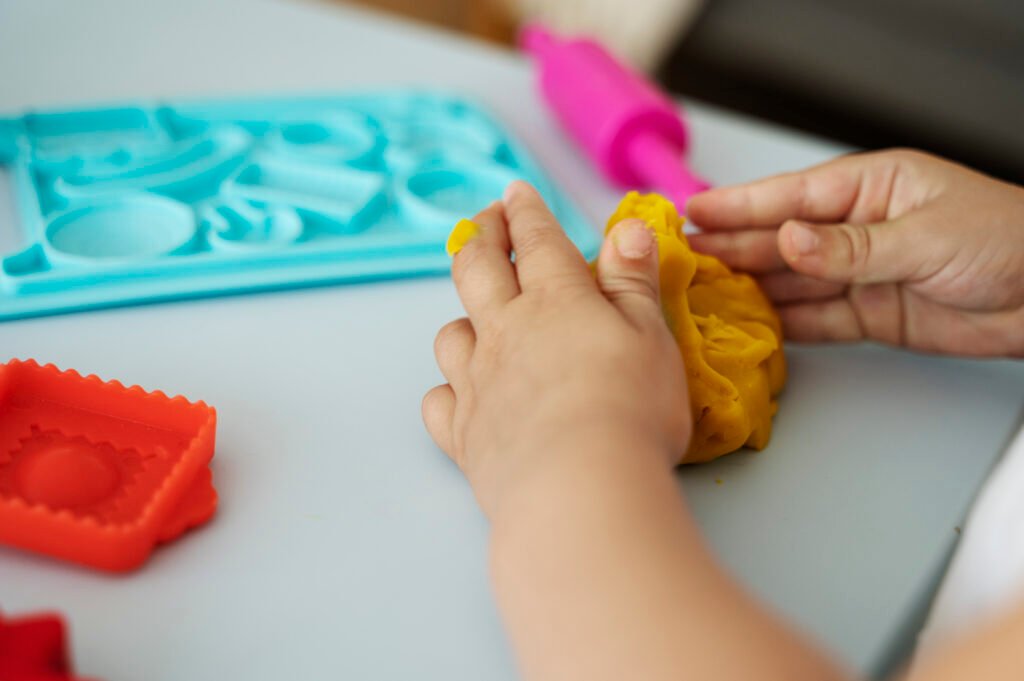
Make Practice Easy: Wipe Clean Books
A Wipe Clean Pencil Control Book builds both skills in one reusable book:
Simple drawing traces for hand-eye coordination and pencil control
Number tracing pages for number recognition and fine motor skills
Wipe-clean, reusable pages trace again and again until the movement feels natural, no reprinting or re-buying
Since repetition is what builds the skill, wipe-clean pages mean far more practice from the same book — exactly what pencil control and number tracing for preschoolers need to stick before school starts.
The skills that matter most before school — pencil control, number confidence, hand-eye coordination — don’t need hours of practice. Just a little, often, and it feels like play.*